Sunday, December 28, 2025
The iGaming industry is entering a phase of rapid growth, playing an increasingly important role in the global digital entertainment ecosystem. The boom of mobile games, cloud gaming, and esports has created significant momentum for the market while enhancing the player experience. In this context, online platforms like Sunwin demonstrate a strong ability to adapt to new trends, contributing to the reflection of the sustainable development potential of the iGaming industry in the coming years.
iGaming is a term used to refer to all gaming activities with wagering elements implemented on online platforms. The scope of iGaming is very broad, including online casinos, sports betting, online poker, lotteries, fantasy sports, and even some free-to-play models with rewards. The “i” in iGaming stands for “internet,” emphasizing the core element: all activities take place through digital devices such as phones, tablets, or internet-connected computers.
Compared to other digital entertainment industries like regular online games, streaming, or social networks, iGaming has a distinct difference in that it is associated with wagering mechanisms and risk management. Players do not only participate for entertainment but can also win or lose real money (or convertible rewards).
However, iGaming is not completely synonymous with “gambling.” Gambling is a broad concept, including traditional forms at land-based casinos, while iGaming is limited to the digital environment and can include non-pure gambling models such as sweepstakes or online lotteries.
In terms of development, iGaming is considered an evolutionary branch of the traditional gambling industry with a history spanning hundreds of years. A major turning point appeared in the 1990s when telephone betting paved the way for “remote gambling.” In 1994, Microgaming developed the first online casino software, while Antigua & Barbuda legalized online casinos. Subsequently, Intercasino (1996) and Planet Poker (1998) respectively laid the foundation for modern online casinos and poker.
In terms of development, iGaming is considered an evolutionary branch of the traditional gambling industry with a history spanning hundreds of years. A major turning point appeared in the 1990s when telephone betting paved the way for “remote gambling.” In 1994, Microgaming developed the first online casino software, while Antigua & Barbuda legalized online casinos. Subsequently, Intercasino (1996) and Planet Poker (1998) respectively laid the foundation for modern online casinos and poker.

Overview of iGaming
Entering 2025, the iGaming industry continues to affirm its position as one of the fastest-growing sectors of the global digital entertainment economy. According to market estimates, the global gaming industry size reached approximately 298.09 billion USD in 2024 and is forecasted to hit the 505.17 billion USD mark by 2030, corresponding to a compound annual growth rate (CAGR) of 8.7% during the 2025-2030 period. This figure shows that iGaming is no longer a niche market but has become a major pillar of the digital industry.
The biggest growth driver comes from the explosion of mobile gaming. With increasing smartphone penetration rates, iGaming has the ability to reach hundreds of millions of new players in emerging markets. In parallel, cloud gaming is erasing device barriers, allowing players to experience high-quality iGaming platforms without the need for powerful hardware.
Additionally, Virtual Reality and Augmented Reality (VR/AR) technologies are gradually changing how users interact with online casinos and betting products. Immersive experiences, vivid gaming spaces, and high interactivity help increase participation time as well as player engagement levels. Electronic sports (esports) also play a pivotal role, as esports betting and entertainment forms centered around professional tournaments strongly attract the younger user group.
Looking toward the 2025-2030 period, iGaming is forecasted to continue expanding in both scale and depth. The combination of technology, digital user behavior, and increasingly clear legal frameworks in many countries will be the foundation helping this industry maintain sustainable growth momentum in the long term.

The iGaming Industry 2025 – Global Data and Forecasts to 2030
The United States continues to hold its leading role in the global iGaming market during the 2025-2030 period. This dominance stems from a developed technological ecosystem, large purchasing power, and high acceptance of digital entertainment with wagering elements. Mobile gaming and cloud gaming are expanding rapidly, helping players access iGaming anytime, anywhere, without depending on high-end hardware.
Additionally, esports in the U.S. is increasingly being commercialized, creating a stable revenue stream from betting, sponsorship, and content rights. Major corporations like Microsoft and Electronic Arts continuously invest in new platforms, devices, and content, thereby consolidating the leading position of the U.S. iGaming market in the medium and long term.
Europe is forecasted to maintain a CAGR of over 6% from 2025 to 2030, distinguished by a relatively clear regulatory environment and synchronized internet infrastructure. This region is recording strong growth in online iGaming, particularly in mobile gaming and sports betting.
The UK and Germany are the two pillar markets: the UK possesses a dynamic developer community and financial support policies, while Germany drives innovation through subsidies and startup development funds. The boom of esports in Europe not only expands the player base but also creates new revenue models, helping iGaming develop in a more sustainable and professional direction.
The Asia-Pacific region is considered the fastest-growing iGaming market, with an expected CAGR of over 9% during the 2025-2030 period. The main drivers come from a young population, high smartphone usage rates, and the dominance of mobile gaming. China, Japan, and India play pivotal roles, especially in the segments of multiplayer online games and esports.
China stands out with its massive user base and its ability to export gaming products globally, while Japan leverages technological strengths such as AI and IoT to enhance player experiences. These factors make Asia-Pacific the growth epicenter of the iGaming industry in the coming decade.

iGaming market forecast across continents
The 2025-2030 period opens up many clear growth opportunities for the iGaming industry on a global scale, thanks to the combination of modern technology, digital user behavior, and increasingly complete legal frameworks. From the US and Europe to the Asia-Pacific, iGaming shows potential for sustainable expansion in the long term. Within this trend, platforms like Sunwin are considered typical representatives of the ability to adapt quickly, innovate experiences, and effectively seize market opportunities.

The PokerStars Caribbean Adventure is not only a poker tournament combined with a resort vacation but also a birthplace of record-breaking rewards that have shaken the global poker world. Through the summarized perspective of Sunwin, the top highest prizes at the PCA show why this tournament is always in the dreams of every professional poker player and fan. Overview of the PCA Tournament – PokerStars Caribbean Adventure The PokerStars Caribbean...
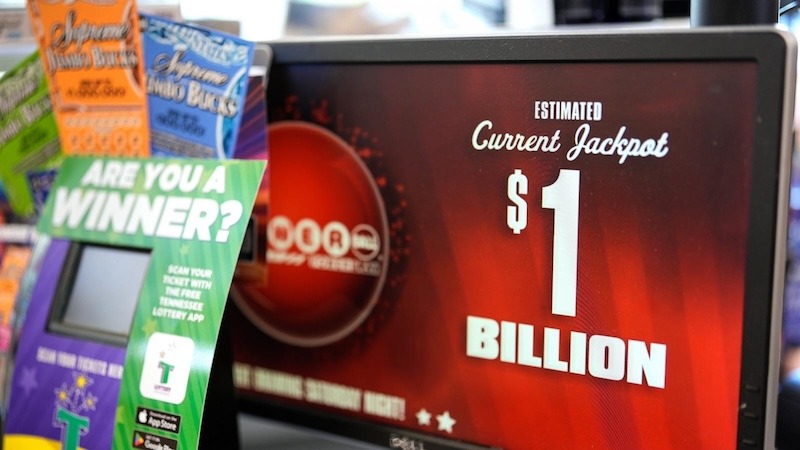
Powerball continues to be the focus as consecutive jackpots set records and attract significant interest from global players. From the prize accumulation mechanism to the strong media effect, these jackpots demonstrate the enduring appeal of modern lotteries, similar to how online entertainment platforms like Sunwin are attracting users through diverse and engaging experiences. Overview of Powerball Powerball is one of the most famous lotteries with the largest prize values in...

World Cup 2026 will be the first major football tournament where all Kambi betting products are supported by AI. This helps enhance the player experience with accurate odds, diverse markets, and smooth operations. Sunwin hopes this article provides readers with useful information, helping them better understand breakthrough technology trends and attractive opportunities in modern sports betting. World Cup 2026 and Kambi’s new products World Cup 2026 promises to be an...