Monday, December 29, 2025
Finland’s transition of its gambling model from a monopoly to licensing is creating many fundamental changes for the European iGaming industry. The new approach not only aims to open the market but also places emphasis on player protection, transparency of responsibility, and raising responsible gambling standards. This is seen as a strategic step to balance economic growth and social welfare in the context of an increasingly developing digital gambling market.
The gambling industry in Finland is undergoing a major transformative phase as regulatory policy shifts from a state monopoly model to a strictly controlled licensing system.
Previously, the state-owned company Veikkaus held a dominant role in the online market, providing sports betting, online casinos, and digital games. This model aimed to control access, limit risks, and reduce social harm, but reality showed that it no longer met effectiveness in the modern digital environment. A large number of Finnish players currently choose foreign bookmakers that are not bound by local player protection measures, causing the control and safety of the domestic market to decline.
In response to this trend, the new Gambling Act was approved by the Finnish Parliament at the end of 2025, paving the way for the end of Veikkaus’s online monopoly by the end of 2026, and allowing licensed operators to compete in the domestic market starting from 2027. In the new model, Veikkaus still retains a monopoly over lotteries, scratch cards, and land-based casino activities, while online betting services and casino games will be provided by licensed entities.
This reform aims to increase the transition rate of players into the regulated system, helping the state apply player protection tools such as mandatory identity authentication, a centralized self-exclusion system, deposit limits, and monitoring play behavior more effectively. At the same time, licensing also creates a transparent competitive environment, attracting investment from reputable international brands, increasing revenue for the national budget, and expanding choices for players within the legal framework.
Thus, the Finnish gambling industry is entering a new chapter, where control, player protection, and fair competition are placed at the center of the operational framework. This moves towards a more modern and sustainable market.
The gambling industry in Finland
Finland has decided to end Veikkaus’s online monopoly over online betting and casino products to transition to a multi-operator licensing model.
Under the new law, from approximately late 2026, online services will be opened for international brands to be licensed to operate legally, while Veikkaus retains exclusive rights over lotteries, scratch cards, and land-based casinos. This licensing model helps make the market more transparent, increases competition, and brings players back to regulated platforms.
A central focus of the restructuring is strengthening player protection measures. Licensing comes with strict conditions such as mandatory identity authentication, setting deposit and play time limits, a centralized self-exclusion system, and real-time monitoring of betting behavior. The goal is to prevent excessive gambling and other social risks, while providing regulatory authorities with more effective oversight tools compared to the monopoly era.
The licensing model opens up a fair competitive environment between domestic and international operators, replacing the previous monopoly mechanism. Bookmakers wishing to operate in Finland must meet requirements for financial safety, legal compliance, and social responsibility standards, while being subject to periodic management, reporting, and auditing. This ensures that the market is strictly managed, transparent, and that players are better protected.
How has Finland restructured its gambling model?
Finland’s transition to a licensing model in the online gambling industry is considered a significant step forward in player protection, especially from the perspective of consumer rights. Under the new model, responsible gambling obligations are no longer applied only to the monopoly operator Veikkaus but are expanded and legally binding for international bookmakers that previously targeted Finnish players from abroad without local accountability.
In the past, although Veikkaus implemented many advanced control tools, regulators had almost no leverage over offshore platforms. Overall, this gap posed a particular risk to high-intensity player groups.
However, the effectiveness of player protection in the licensing model does not happen automatically but depends on three key conditions. First is the level of channelization—the ability to attract and keep players within the regulated ecosystem. If players continue to switch to unlicensed platforms, protection measures will lose their effect. Second, the licensing authority must strictly enforce the duty of care, including behavior monitoring, requiring timely intervention, and applying sanctions when operators commit violations.
From the European iGaming perspective, Finland is building a rigorous legal environment that focuses on behavioral analysis, compliance capacity, and collective responsibility for player welfare, rather than relying solely on a monopoly structure. This also reflects an important shift in thinking: a monopoly is no longer defaulted as the optimal solution for the community in the modern digital gambling market.

Will the legal changes protect players?
Finland’s restructuring of responsible gambling activities according to a licensing model demonstrates a modern management trend, placing players at the center through a stricter and more transparent legal framework. When protection obligations are extended to all operators, the market becomes more balanced and safer for consumers. Through this article, Sunwin hopes to have provided readers with an updated and valuable perspective on the important shifts in the European iGaming industry today.

The iGaming industry is entering a phase of rapid growth, playing an increasingly important role in the global digital entertainment ecosystem. The boom of mobile games, cloud gaming, and esports has created significant momentum for the market while enhancing the player experience. In this context, online platforms like Sunwin demonstrate a strong ability to adapt to new trends, contributing to the reflection of the sustainable development potential of the iGaming...

Powerball continues to be the focus as consecutive jackpots set records and attract significant interest from global players. From the prize accumulation mechanism to the strong media effect, these jackpots demonstrate the enduring appeal of modern lotteries, similar to how online entertainment platforms like Sunwin are attracting users through diverse and engaging experiences. Overview of Powerball Powerball is one of the most famous lotteries with the largest prize values in...
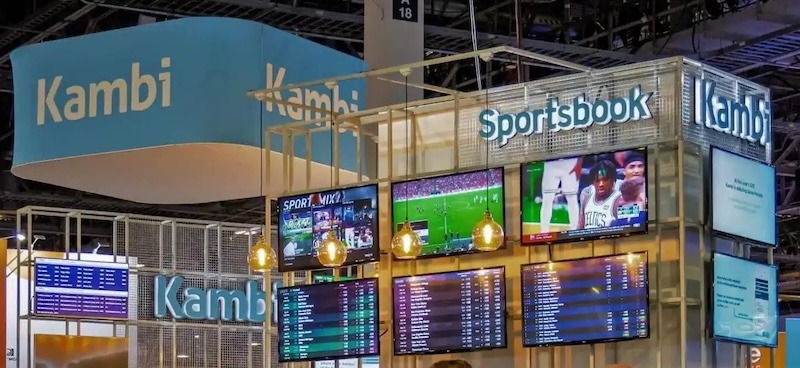
World Cup 2026 will be the first major football tournament where all Kambi betting products are supported by AI. This helps enhance the player experience with accurate odds, diverse markets, and smooth operations. Sunwin hopes this article provides readers with useful information, helping them better understand breakthrough technology trends and attractive opportunities in modern sports betting. World Cup 2026 and Kambi’s new products World Cup 2026 promises to be an...