Sunday, December 28, 2025
In the digital era, transparency in systems like Sunwin depends entirely on RNG technology. To understand how RNG works, we must analyze how algorithms transform complex variables into outcomes of absolute randomness. This mechanism eliminates all predictable patterns, ensuring objectivity and preventing any interference from external agents.
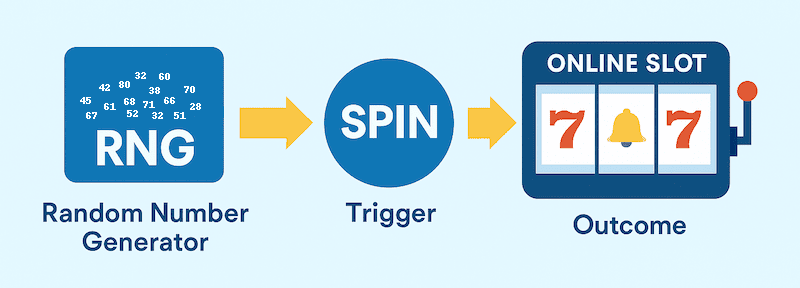
RNG (Random Number Generator) is an electronic device or computer algorithm designed to produce a sequence of numbers or symbols that cannot be predicted by any logic or pattern. To truly understand how RNG works, we must recognize its core objective: simulating the absolute randomness of nature within the strictly logical environment of a computer.
By utilizing fluctuating data sources, such as thermal noise or complex mathematical algorithms, this technology ensures that every output is independent. This maintains maximum transparency for systems requiring high objectivity, like Sunwin. However, computers are inherently logical machines that execute sequential commands. Therefore, creating “true” randomness is a technical challenge. This leads to the classification of RNG into two main types:
TRNG relies on physical phenomena external to the computer to extract randomness. These phenomena are inherently unpredictable and do not follow mathematical algorithms.
These sources include:
Hardware devices measure these physical variables and then convert them into digital signals (0s and 1s). Because the origins are natural variables, the output of a TRNG is unrepeatable and cannot be compromised through reverse engineering. This is the “gold standard” of security that reputable platforms like Sunwin aim for to protect user interests.
How RNG works: A mechanism everyone can understand.
While TRNG offers superior security, it requires complex hardware configurations and has significantly slower data processing speeds. Consequently, most modern software applications prioritize PRNG to optimize performance. To answer how RNG works in this context, it is essential to understand that PRNG does not extract randomness from physical phenomena. Instead, it operates based on sophisticated mathematical formulas to generate sequences that exhibit random characteristics.
Every PRNG begins with an initial input value known as the Seed. If the Seed and the algorithm are both known, the entire subsequent sequence of numbers can be predicted. To ensure absolute fairness, modern systems typically derive the Seed from constantly fluctuating variables, such as:
Once the Seed is established, the algorithm—such as the Mersenne Twister or the Linear Congruential Generator—performs complex mathematical operations to produce the output numbers.
Xn+1=(aXn + c) (mod m)
In this context, $X$ represents the sequence of numbers, while $a$, $c$, and $m$ are specific mathematical constants. Although it is termed “pseudo-random,” when these parameters are sufficiently large, the sequence’s repetition cycle can extend to quintillions of units. This makes it mathematically impossible for any human or machine to identify a recurring pattern.
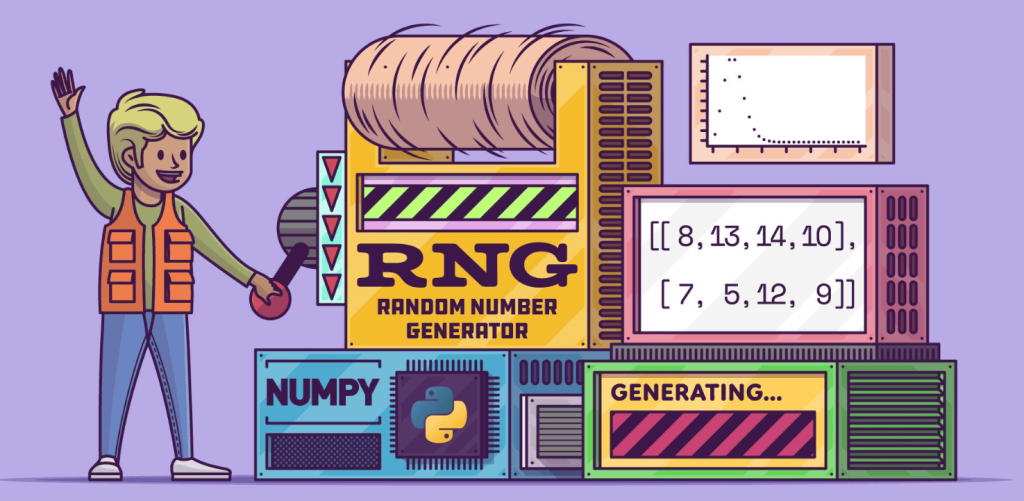
RNGs operate according to a specific algorithm.
In a digital system, fairness is defined as a state where every possible outcome has an equal probability of occurring, free from the interference of any external or internal agents. RNG fulfills this vital role through three key pillars:
If a player or a system administrator could predict the next outcome, the foundation of fairness would collapse. RNG ensures that even if you documented the results of 1,000 previous rounds, you would still possess zero data to calculate the outcome of the 1,001st round. Every event is mathematically isolated and independent.
A standardized random number generator must guarantee a uniform distribution. For example, with a 6-sided die, after 1 million spins, the appearance rate of each face must approximate 16.67%. RNG completely eliminates “physical” flaws common in traditional gaming, such as weighted dice or marked cards, ensuring a perfectly level playing field.
At major organizations like Sunwin, RNG algorithms are not simply implemented and left unmonitored. They must undergo rigorous audits from independent testing laboratories such as iTech Labs or GLI (Gaming Laboratories International). These agencies run millions of trial simulations to verify that the output is genuinely random and complies with international iGaming standards.
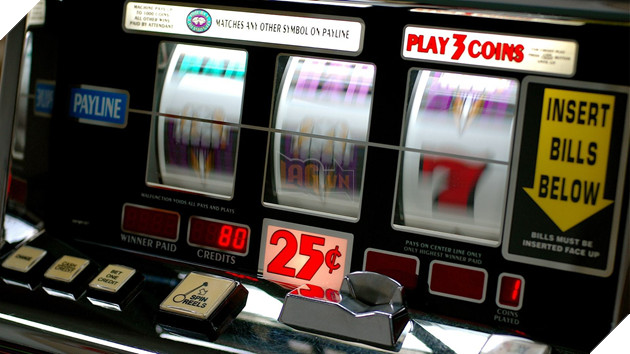
RNGs ensure fairness in games.
No matter how perfect an RNG algorithm may be, its fairness fundamentally depends on its implementation:
RNG is the “heart” of fairness in every digital system. Whether it is TRNG, based on physical phenomena, or PRNG, based on complex mathematical algorithms, the ultimate goal remains the same: creating a transparent environment where outcomes depend solely on randomness and luck.
Understanding how RNG works provides users with a more scientific perspective, dispelling misconceptions about “rigged systems.” When platforms implement strict RNG standards, they are protecting their most core value: customer trust.
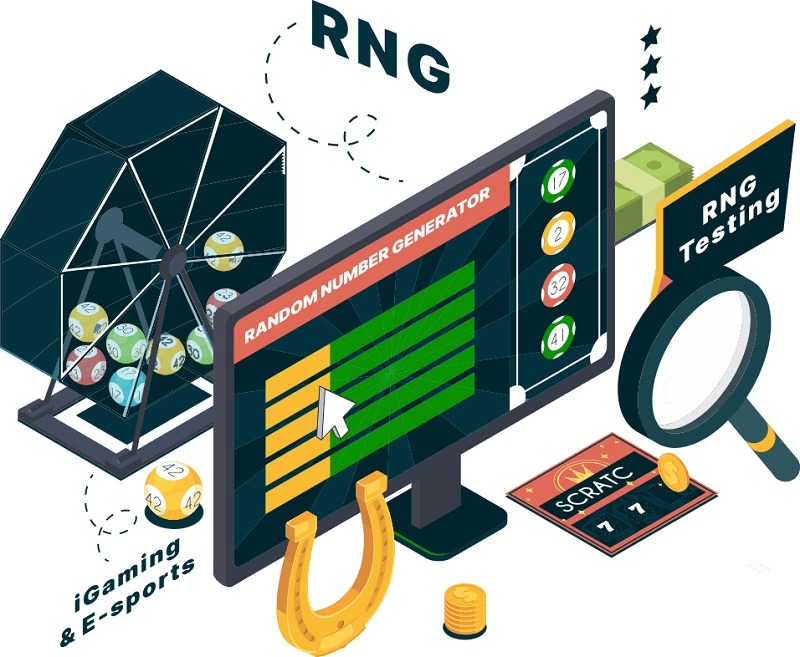
When you hit the “Spin” button on a Slot machine or wait for a Baccarat card to be flipped at Sunwin, have you ever wondered: “Is this result rigged? How can I be sure the house isn’t manipulating the numbers?” To answer these questions, we need to explore two pivotal concepts: RNG Testing and Independent Audits. Let’s dive in! 1. What is RNG Testing? RNG stands for Random Number Generator....

Many newcomers overlook the licensing aspect when choosing a bookmaker, yet it is the most critical detail. A system operating under an international Licensing Framework means they have placed themselves under the direct supervision of world-leading governments and legal organizations. In this article, let’s join Sunwin to explore the intricate details of legal frameworks for online betting organizations! 1. What is a Licensing Framework? In its simplest terms, a Licensing...


