Saturday, December 27, 2025
Bluffing is one of the factors that creates tactical depth in poker, but it is also a double-edged sword if used without control. Clearly understanding the nature of bluffing, the appropriate timing, limits, and potential risks will help players make more sober decisions. In this article, Sunwin provides insightful knowledge to help readers build a well-founded and disciplined bluffing mindset during their poker sessions.
In poker, a bluff is understood as an action that represents a hand stronger than what you actually have, with the goal of making opponents believe they are at a disadvantage and proactively fold. It is important to emphasize that to win the pot, a player is not required to possess the strongest hand at showdown. As long as the opponent folds, the hand ends and you are the winner. This is the strategic essence of bluffing.
Bluffing is not merely a reckless action or a gamble on luck. In reality, bluffing is how players use betting pressure and the narrative of the hand to force opponents into a difficult decision. When bluffing effectively, your weak hand is “disguised” within a strong hand range, causing opponents to misjudge the situation.
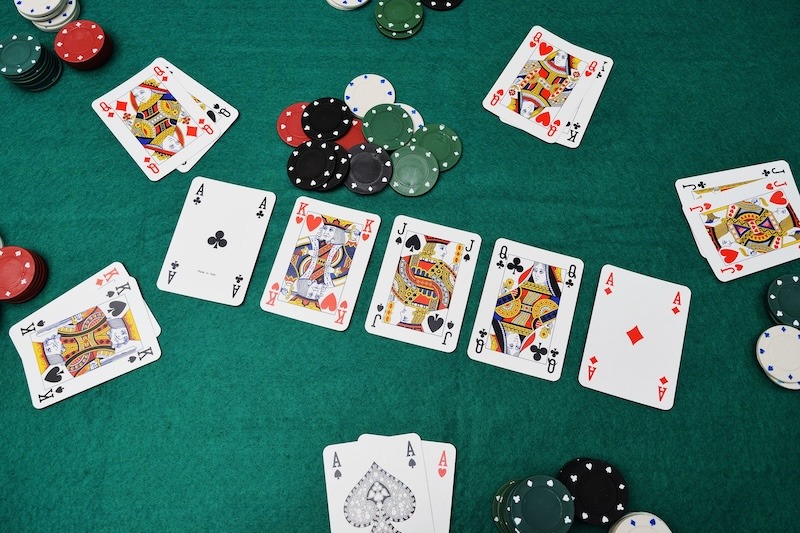
Consider a specific example. You hold Ace and King ($AK$) before the pre-flop and decide to raise. The flop comes $Q$, $J$, $6$, giving you a straight draw. At this point, continuing to bet on the flop and turn is reasonable, as those actions are consistent with the image of a strong hand like a straight or a high pair. However, when the river does not bring the necessary card, your hand remains only Ace-high and is very difficult to win at showdown.
In this situation, if you have been called by the opponent from the beginning, there is a high probability they are holding a sufficiently strong hand. At this moment, bluffing becomes the only option to win the pot. By continuing to bet on the river, you represent a completed hand and apply pressure to force the opponent to consider the risk. If the opponent decides to fold, the bluff has succeeded even though your actual hand is not strong at all.
From this, it can be seen that bluffing is a strategic tool that helps poker go beyond the limits of comparing cards, turning the game into a mental battle based on information, pressure, and situational reading.

The concept of bluffing in poker.
Bluffing only truly provides value when placed in the right context. Instead of bluffing based on inspiration, players need to rely on hand structure and positional advantage to make rational decisions. Below, Sunwin points out two core factors that help determine the timing for effective bluffing.
Effective bluffing often originates from how a hand is constructed throughout the match. When your betting actions from pre-flop to flop and turn are consistent with a strong hand range, a bluff on the river becomes much more convincing.
For example, you raise pre-flop, continue betting on a flop with many high cards, and then bet the turn when the board does not change significantly. This sequence of actions represents strong hands such as a good top pair, overpair, or a completed hand. If the river does not improve your hand but no dangerous cards appear, bluffing at this point has a clear strategic basis.
Additionally, a semi-bluff is also an effective form of bluffing because you still have outs to improve your hand. Combining potential equity with betting pressure helps reduce the risk if the bluff fails. According to the tactical analyses that Sunwin often points out, bluffing should be tied to the logic of the hand rather than being a disconnected action in each betting round.
Position plays a pivotal role in the effectiveness of a bluff. When in a late position, you have the advantage of observing your opponents’ actions before making a decision. If an opponent shows weakness by checking through multiple rounds, a bluff will have a higher probability of success because you are leveraging an information advantage.
Conversely, bluffing in an early position carries many risks as you must act first and are easily counter-attacked by opponents. Therefore, the general principle is that bluffing is more effective when you are the one controlling the action and have the right to apply pressure last. Clearly understanding position helps players choose reasonable bluffing moments and avoid unnecessary risky situations

Effective Bluffing: When to Do It
Bluffing is an important part of poker, but it is not a tool that can be used infinitely. Many reputable poker strategy resources emphasize that bluffing is only effective when placed within certain limits. Failing to clearly understand these limits is a common cause of player losses, especially at the beginner and intermediate levels.
The first limit of bluffing lies with the opponent. Bluffing only holds value when the opponent is capable of folding. Against players who tend to call frequently and rarely fold, bluffing becomes almost useless. Strategic analyses often point out that bluffing should not be used to “win at all costs,” but rather as a way to exploit the fear of losing in opponents who think and know how to fold.
The second limit comes from the structure of the hand. If the board does not support the story you are representing, the bluff will become unconvincing. For example, continuing to bet large on a dry board with no possibility of forming a strong hand will make it easy for opponents to become suspicious. Effective bluffing always requires consistency between the community cards, the betting actions, and the hand range you are portraying.
Additionally, bluffing is limited by its frequency of use. When bluffing too often, your table image will be exposed. Opponents will adjust by calling more or counter-attacking harder, causing the bluff to lose its element of surprise. Tactical documents all emphasize that bluffing is only a small part of an overall strategy and cannot replace playing strong hands correctly.
Clearly understanding the limits of bluffing helps players use this tool selectively, with more discipline and effectiveness in the long term.
Understanding the Limits of Bluffing
Bluffing can provide a significant advantage if used at the right time, but it comes with substantial risks. Clearly understanding these common risks helps players deliberate carefully before bluffing and avoid mistakes that lead to long-term losses.
The most obvious risk when bluffing is the loss of chips if the opponent does not fold. A failed bluff, especially on the turn or river, often forces a player to commit a large amount of chips without any chance of winning at showdown. This not only reduces the stack but also directly affects the ability to control the game later on. When the bankroll is depleted, a player’s tactical options become limited, making it easier to fall into a passive state.
Bluffing too frequently or irrationally will cause opponents to recognize your playing tendencies. Once your table image is exposed, opponents will adjust by calling more or counter-attacking more aggressively. At this point, bluffing not only loses its effectiveness but also becomes a weakness for opponents to exploit. Being “caught” makes every subsequent bluff less convincing, even when you are actually holding a strong hand.
Another risk is bluffing out of emotion rather than logic. After a losing streak or under pressure, players are prone to bluffing reflexively in hopes of turning the tide. These unfounded bluffs are usually not based on hand structure or position, leading to flawed decisions. In the long run, this type of emotional bluffing breaks strategic discipline and increases the level of losses.
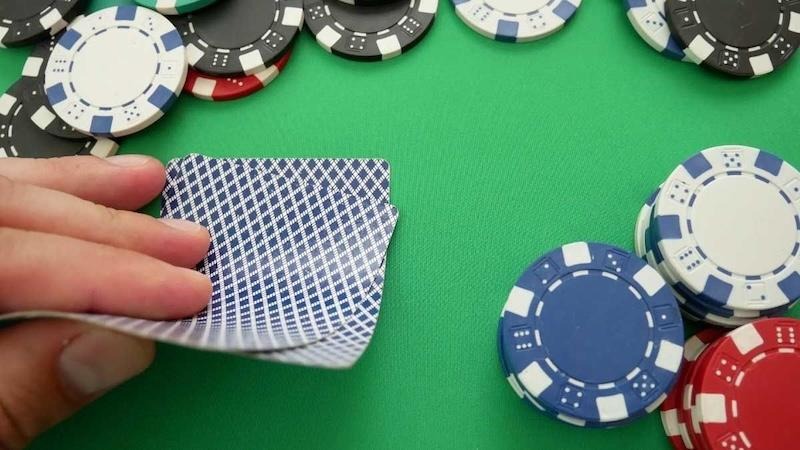
Risks to be aware of when performing bluffing.
Bluffing is a vital skill that turns poker into a mental battle rather than a mere comparison of hand strength. However, bluffing only proves effective when used at the right time, against the right opponents, and within reasonable limits. Clearly understanding the nature, limits, and risks of bluffing helps players avoid abusing this tactic, maintain discipline, and build a sustainable playing style in the long term.
In Texas Hold’em, starting hands are the foundation for every strategic decision in the subsequent rounds. A clear understanding of starting hands helps players select cards based on probability, position, and discipline, thereby limiting risks and optimizing long-term advantages. Through this article, Sunwin provides useful poker knowledge presented in an academic yet accessible manner, supporting readers in building a correct and effective pre-flop mindset. Starting Hands: The Significance of Starting...
In poker, making the right decision does not depend on luck but on how players understand and apply core mathematical concepts. Outs, odds, and pot odds are the foundation for evaluating the possibility of improving a hand and the value of each call. Through clear analysis and practical examples, Sunwin provides useful poker knowledge, helping readers form a logical, disciplined, and more effective mindset in every hand. Understanding the Concept...

In Poker Tournaments, winning does not just come from card-playing skills; it depends heavily on how you make decisions through each stage of the event. ICM (Independent Chip Model) is the tool that helps players understand the real-world cash value of their chips and the impact of every decision on the final standings. By mastering ICM, you will know exactly when to take risks to break through and when to...