Saturday, December 27, 2025
In modern Poker, Range Thinking is the key that allows players to escape the trap of intuitive “hand guessing” and approach the game with probability and logic. By understanding how to construct, narrow, and compare ranges, you will become more proactive in every betting decision. In this article, Sunwin provides the foundational knowledge and practical examples to help players systematically build a more professional and effective range-based mindset.
In poker, a range is the central concept for understanding how an opponent might play in a given situation. A range is not just a specific hand; it is the collection of all possible hands an opponent could realistically hold, based on their position, betting patterns, prior behavior, and overall playing style. Thinking in ranges allows you to view the game through the lens of probability rather than emotional intuition, leading to more optimal decision-making.
One of the most common mistakes among novice players is “hand thinking”—the attempt to guess exactly which two cards the opponent holds. For example, seeing an opponent raise pre-flop and asking, “Do they have A-K?” is a simplistic approach prone to error. In reality, an opponent could hold many different hands that they would raise with in that exact same situation.
In contrast, “range thinking” requires you to consider the entire scope of potential hands and then assess the probability of those hands being strong or weak relative to the board. Instead of asking if they have A-K, you ask: “Which hands in their range are stronger or weaker than the current board?” This grounds your decisions in logic and probability rather than baseless guesswork.
Skilled players consistently think in ranges because poker is a game of incomplete information and probabilities. They recognize that an opponent does not hold a single hand but a distribution of possible hands, each carrying a certain likelihood.
When you accurately evaluate a range, you gain a clear understanding of your hand’s equity against the opponent’s entire distribution. This makes your decisions to bet, call, raise, or fold significantly more precise. This is why range thinking is a defining factor in modern professional poker.
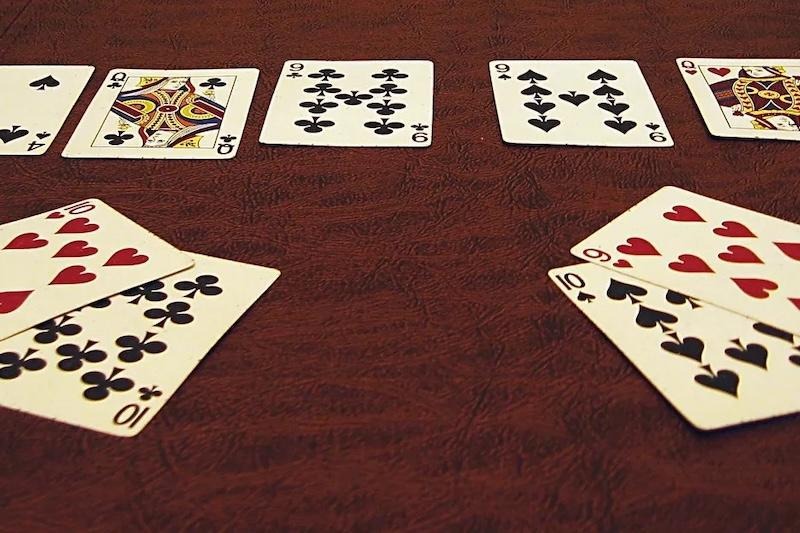
Understanding the concept of Range in Poker
Understanding how a range is constructed and how it evolves is the foundation of probabilistic thinking in poker. A range is not a static entity; it is a dynamic set that is continuously adjusted based on a player’s actions and the progression of the hand. Let’s explore with Sunwin how a range takes shape.
The pre-flop starting range is the collection of hands a player chooses to enter a hand with from the very beginning, before the three flop cards appear. This range is heavily influenced by position, prior action, and playing style.
For instance, a player in an Early Position (EP) typically opens with a tighter range, consisting of strong and stable hands. Conversely, a player in a Late Position (LP) can open with a wider range due to the advantage of acting last. Furthermore, actions such as calling, 3-betting, or folding clearly reflect the scope of hands an opponent might possess.
The critical point: Every pre-flop action represents a range of hands, not a specific hand. Once you identify an opponent’s pre-flop range, you have the initial foundation to evaluate the entire hand ahead.
After the pre-flop stage, a player’s range does not stay the same; it is gradually narrowed down through the flop, turn, and river. Each action—betting, calling, or checking—helps eliminate hands that are no longer logical within the initial range.
This process is akin to data filtering. You begin with a broad range pre-flop and then use each betting street to exclude less plausible possibilities. Skilled players do not try to guess exactly which hand an opponent has; instead, they assess the probability of the remaining hands in the range to make the most accurate decision.
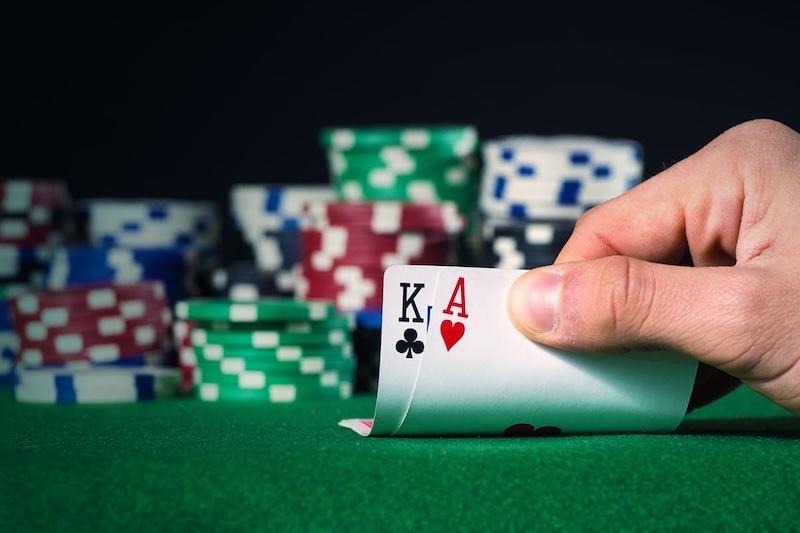
How are ranges formed?
Once you understand how ranges are constructed and narrowed, the next critical step is to transform range thinking into concrete actions. Range Thinking is not just a theory; it is a direct tool that helps players make rational and consistent decisions on the poker table.
Instead of asking “Is my hand strong or weak?”, Range Thinking requires you to ask a more accurate question: “Where does my hand stand relative to my opponent’s range?”
Example: When you hold Top Pair but the board shows multiple strong possibilities, continuing with a large bet may no longer be effective if your opponent’s range contains many superior hands. In that case, calling or checking helps you minimize losses against the strong part of their range while still winning against their weaker hands.
Bluffing and value betting are only truly effective when built on ranges, not intuition.
Skilled players always consider: “How will my opponent’s range react to this specific action?” This line of thinking ensures that decisions are logical, grounded in probability, and stable over the long term.
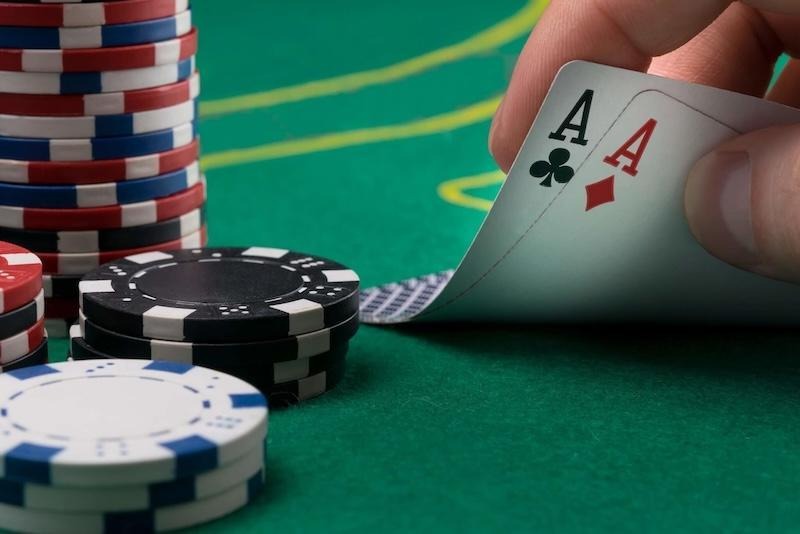
Applying Range Thinking to practical decision-making.
Understanding and applying range thinking represents a major leap in the quality of decision-making in poker. Instead of reacting emotionally to an opponent’s actions, you begin to read situations based on probability and logic, significantly reducing long-term errors.
Once you become accustomed to range thinking, you will no longer be confused by actions such as continuation bets, floats, or check-raises. Each action represents a logical group of hands, and your task is to evaluate how strong or weak that group is compared to your own hand. This is only possible when you truly understand what a range is and how it operates.
Factors for Defining Opponents’ Ranges: Identifying an opponent’s range is based on multiple factors: table position, pre-flop actions, bet sizing, timing tells, and information from previous hands. For instance, a player opening from an early position typically has a tighter range than one opening from a late position. If you disagree with default ranges, you can build your own ranges based on actual observations, making your analysis more flexible and situational.
Range thinking also helps you predict developments in later streets. When an opponent bets on the flop, you don’t just ask “am I ahead or behind?”, but rather “which turn cards will benefit my range, and which cards make my opponent’s range stronger?” This allows you to proactively plan for the turn and river instead of merely reacting passively.
Most importantly, range thinking helps you understand that poker is not a game of guessing exact cards, but a game of making the correct decision with the highest probability. This is the fundamental mindset that keeps skilled players stable and superior in the long run.
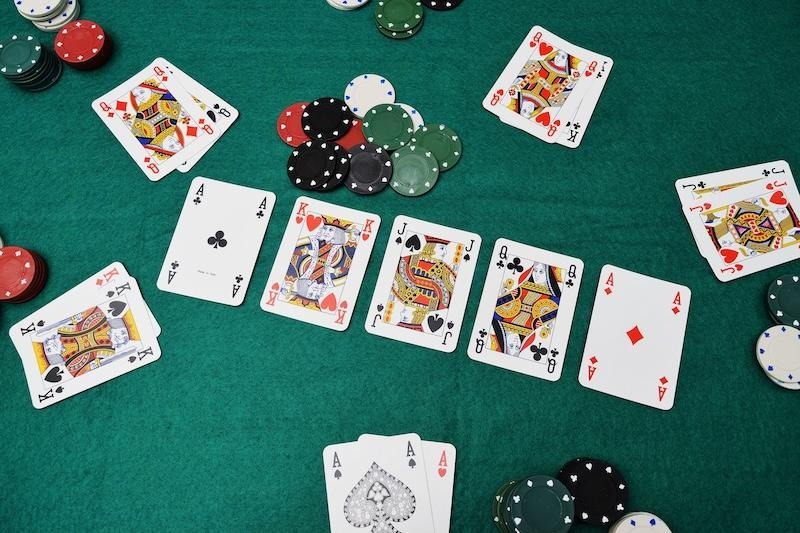
The benefits of understanding range thinking.
Range Thinking is the critical foundation that helps Poker players transition from emotional thinking to probabilistic and logical thinking. By clearly understanding how to construct, narrow, and compare ranges, you will make more accurate and stable decisions in every situation. Training this mindset not only elevates your skills but also helps you manage risks effectively. The content above provides practical knowledge and perspectives, supporting players in developing a modern Poker mindset in a systematic and sustainable way.
In an increasingly competitive Poker world, hand-reading skills and intuition are no longer enough to create a sustainable advantage. Modern players are forced to approach Poker as a strategic game, where every decision must have a clear foundation. Understanding and applying GTO (Game Theory Optimal) not only helps you avoid being exploited by opponents but also builds a more disciplined, objective, and effective playing mindset in the long run. What...
In poker, card-reading and calculation skills only reach their full potential when players master their own emotions. Reality shows that many incorrect decisions do not stem from a lack of knowledge, but rather from losing psychological control when losing, winning, or being under pressure. In this article, Sunwin focuses on clarifying the role of poker psychology, common emotional states, and how they directly impact playing strategy, thereby helping players build...
Bluffing is one of the factors that creates tactical depth in poker, but it is also a double-edged sword if used without control. Clearly understanding the nature of bluffing, the appropriate timing, limits, and potential risks will help players make more sober decisions. In this article, Sunwin provides insightful knowledge to help readers build a well-founded and disciplined bluffing mindset during their poker sessions. The Concept of Bluffing in Poker...