Saturday, December 27, 2025
In modern poker, Exploitative Play and GTO (Game Theory Optimal) are the two most discussed strategic schools of thought, each with its own set of advantages and disadvantages. A clear understanding of their nature, when to apply them, and how to combine these two strategies will empower players to make more accurate decisions. In this article, Sunwin provides the foundational knowledge and real-world examples to help players build an effective and sustainable strategic mindset.
Exploitative Play and GTO are two core concepts in modern Poker, representing two entirely different strategic approaches to decision-making at the table. Let’s clarify the nature of each method with Sunwin so you can choose the right playstyle for your opponents, context, and profit goals.
GTO is a strategy based on optimal game theory. The goal of GTO is not necessarily to win as much as possible in the short term, but to build a balanced and unexploitable playstyle. A GTO player executes actions—such as betting, calling, or folding—according to precise frequencies, ensuring that no matter how your opponent plays, you remain protected in the long run. GTO focuses on ranges, probabilities, and calculations rather than relying on emotion or subjective judgment. It is considered the “Theoretical Standard” of Poker.
Conversely, Exploitative Play is a more pragmatic and flexible style. Instead of maintaining balance, an exploitative player actively targets an opponent’s mistakes to maximize profit. For example:
Exploitative Play can yield extremely high profits, but it also carries the risk of being counter-exploited if the opponent recognizes your adjustments.
The biggest difference between Exploitative Play vs GTO lies in their philosophy: GTO aims for long-term safety and stability, while Exploitative focuses on maximum profit by leveraging specific weaknesses. In practice, top-tier players combine both: using GTO as a solid foundation and then flexibly adjusting toward an exploitative approach once they have sufficient information. This is the key to playing Poker effectively and sustainably.
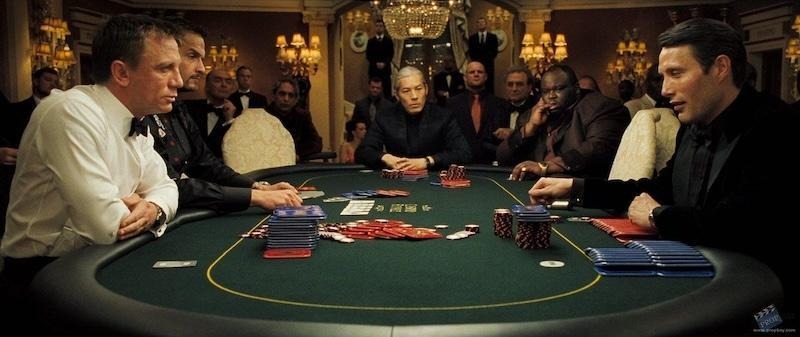
What is Exploitative Play vs. GTO in Poker?
The core difference between Exploitative Play and GTO lies in how a player thinks before making a move. With GTO (Game Theory Optimal), a player thinks in terms of being “theoretically correct”: how should I bet, call, or fold with my entire range to remain unexploitable by my opponent? Decisions are made based on frequency, probability, and balance, rather than personal feelings or intuition.
Conversely, Exploitative Play focuses on a specific opponent. A player observes the opponent’s habits, tendencies, and mistakes, then adjusts their playstyle to take advantage of those weaknesses. Instead of asking “What is the standard move?”, the exploitative player asks, “Where is this opponent playing incorrectly, and how do I exploit it?” Thus, exploitative thinking is flexible, practical, and heavily dependent on situational reading.
GTO is considered a high-safety strategy. By playing a balanced game, it is very difficult for an opponent to read your hand or counter-attack effectively, even if they are highly skilled. This makes GTO particularly suitable for high-level games where opponents can observe and adjust quickly.
In contrast, Exploitative Play carries higher risk. Intentionally deviating from a balanced playstyle can yield massive profits; however, if an opponent notices and counter-adjusts, you become the one being exploited. The more “aggressive” the exploit, the higher the risk, especially if you misread the opponent or inaccurately assess the situation.
In the short term, Exploitative Play often delivers superior results, especially when opponents make obvious mistakes. Correctly exploiting a weakness can help you win fast and win big. On the other hand, GTO usually does not generate explosive short-term profits.
However, in the long term, GTO holds the upper hand due to its stability and sustainability. It helps players avoid negative swings (variance) and maintain a long-term advantage. In practice, the best poker players use GTO as their foundation, then selectively apply Exploitative Play to optimize their profits.

A detailed comparison of Exploitative Play and GTO.
There is no “ultimate” strategy in Poker if one rigidly separates Exploitative Play from GTO. Choosing the appropriate method depends heavily on the table context, the skill level of your opponents, and your objectives at each stage.
In games with many beginners, inexperienced players, or those who repeat obvious mistakes—such as calling too much, bluffing at inappropriate times, or playing too passively—Exploitative Play is the optimal choice. When opponents lack the ability to recognize and adjust, directly exploiting these weaknesses yields fast and effective profits. At this stage, playing too strictly “by the book” according to GTO might cause you to miss significant profit opportunities.
Conversely, when facing experienced players who observe and adjust their tactics, GTO becomes extremely critical. A balanced playstyle prevents you from being read, limits risks, and maintains a long-term advantage. GTO is particularly suitable for high-stakes tables, competitive environments, or when you lack reliable information about your opponents.
The most optimal strategy in practice is a combination of both. Use GTO as your foundation to ensure your decisions are always theoretically sound, then selectively apply Exploitative Play when you identify clear mistakes from your opponents. This combination allows you to remain secure while maximizing profits, maintaining the flexibility to adapt to any situation on the Poker table.
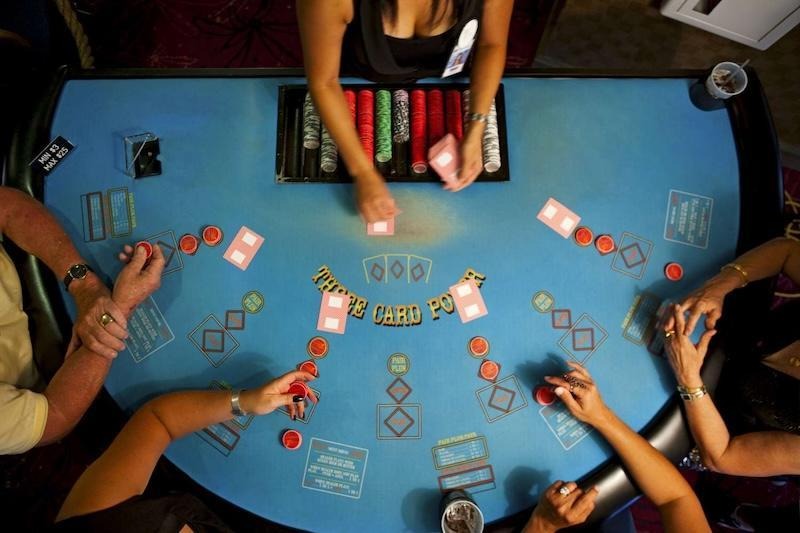
Which strategy should be chosen for optimal results?
Exploitative Play and GTO are not opposing forces but rather complementary elements in modern Poker. A smart player needs to understand GTO to build a solid foundation, while simultaneously remaining flexible enough to exploit opponents’ mistakes to maximize profit. When you know how to combine them at the right time, you will be secure in the long run and highly effective in the short term. We hope this article provides practical content and knowledge, helping players understand and apply Poker strategies in a more systematic manner.
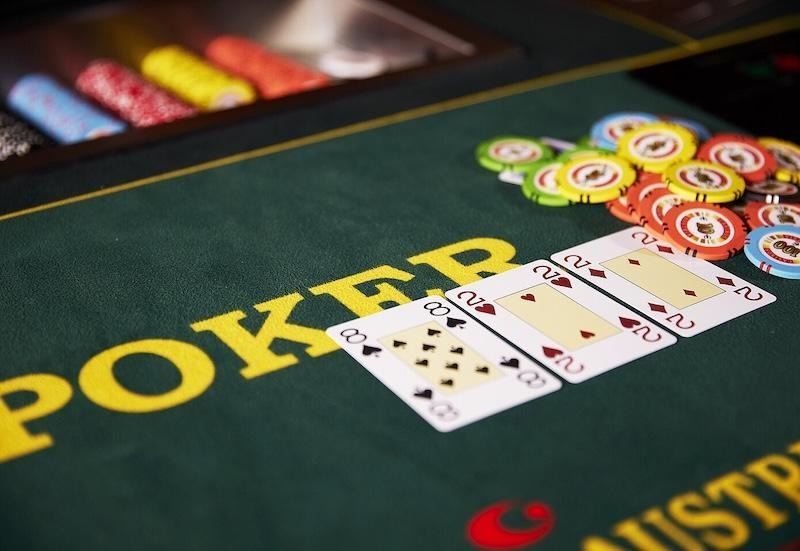
In poker, making the right decision does not depend on luck but on how players understand and apply core mathematical concepts. Outs, odds, and pot odds are the foundation for evaluating the possibility of improving a hand and the value of each call. Through clear analysis and practical examples, Sunwin provides useful poker knowledge, helping readers form a logical, disciplined, and more effective mindset in every hand. Understanding the Concept...

In poker, card-reading and calculation skills only reach their full potential when players master their own emotions. Reality shows that many incorrect decisions do not stem from a lack of knowledge, but rather from losing psychological control when losing, winning, or being under pressure. In this article, Sunwin focuses on clarifying the role of poker psychology, common emotional states, and how they directly impact playing strategy, thereby helping players build...
In an increasingly competitive Poker world, hand-reading skills and intuition are no longer enough to create a sustainable advantage. Modern players are forced to approach Poker as a strategic game, where every decision must have a clear foundation. Understanding and applying GTO (Game Theory Optimal) not only helps you avoid being exploited by opponents but also builds a more disciplined, objective, and effective playing mindset in the long run. What...