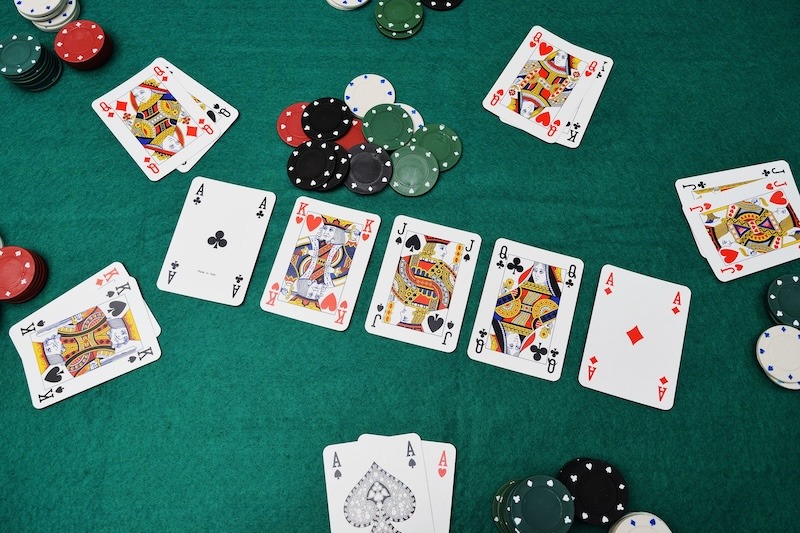
Saturday, December 27, 2025
Variance and downswing are two pivotal concepts in poker, reflecting the discrepancy between expected results and actual outcomes, as well as the prolonged losing streaks that players must face. Clearly understanding their impact helps you build a strategy for hand selection, manage your capital, and maintain a stable psychological state while playing. This foundation allows for sustainable skill development—a point often emphasized in Sunwin’s instructional guides to help players enhance their long-term effectiveness.
In poker, variance is a core concept that every player must understand, as it largely determines the overall experience and how the game is managed. Simply put, variance is the fluctuation in short-term results, manifested through winning streaks (upswings) and losing streaks (downswings) that a player experiences. This is not a reflection of skill or strategy, but a natural part of the game created by probability and luck.
Understanding variance helps players manage their bankroll intelligently and maintain a stable mindset, while building an appropriate strategy for long-term profit. It explains why you can play with correct technique yet still face a continuous losing streak, or why a lucky hand can generate temporary profit. In other words, variance is the gap between long-term expected results and short-term actual outcomes.
A simple illustration: If, based on your current win rate, you expect to win an average of $500 in a month, but you actually lose $1,000, this gap is variance. It is not a sign that you played incorrectly, but merely a natural fluctuation in the poker process.
The factors influencing variance can be diverse—ranging from hand types and betting styles to the number of hands played and the number of participants. Knowing about variance helps players maintain discipline, avoid tilt, and make more sober decisions in every hand. Understanding and accepting variance is a vital step toward developing skills and building a sustainable poker strategy.
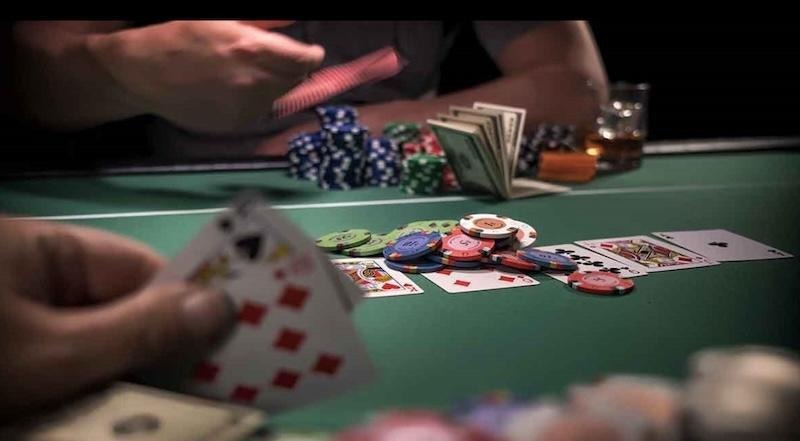
What is Variance in Poker?
In poker, a downswing is a term used to describe a prolonged period of losses that almost every player will experience at least once in their career. A downswing occurs when a player loses continuously over many hands, lasting from several days or weeks to even months.
It is crucial to emphasize that a downswing does not necessarily reflect poor skill or a flawed strategy; rather, it is a natural result of the inherent variance in poker. Whether you are a professional or a beginner, experiencing a downswing is inevitable.
Key characteristics of a downswing include:
Understanding downswings helps players accept short-term losses without being overly affected psychologically, allowing them to maintain discipline and systematic decision-making. In reality, knowing how to cope with a downswing is a vital factor for long-term development in poker, turning losing phases into opportunities to learn and refine one’s skills.
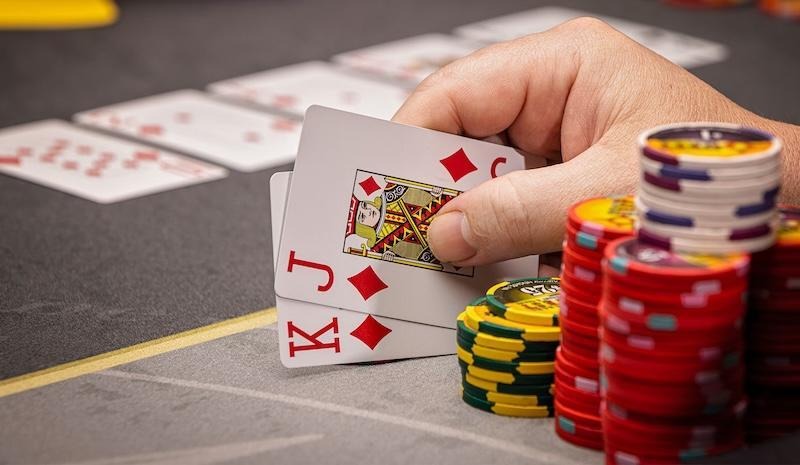
Downswing trong bài Poker là gì?
In poker, variance and downswing are two closely related but distinct concepts, and clearly understanding the difference helps players make more sober decisions. As Sunwin often emphasizes in instructional guides, knowing how to distinguish these two concepts is a vital step toward effective bankroll management and emotional control.
Variance is the natural fluctuation in the results of poker hands, reflecting the difference between long-term expected results and short-term actual outcomes. It is an inevitable part of the game and is independent of skill. For example, a skilled player can still lose several consecutive hands due to luck, but over a long sequence, skill will help them maintain an advantage. Variance is like the natural rising and falling of waves in poker: sometimes high, sometimes low, unavoidable, and completely normal.
Conversely, a downswing is a specific period during which a player experiences a prolonged losing streak. Downswings are often accompanied by negative psychological impacts such as stress, discouragement, loss of focus, and tilt. It is the result of variance negatively impacting a player’s experience and decisions over a certain period. If variance is the natural wave, then a downswing is a period of continuous low waves that makes a player feel submerged, leading them to make emotional decisions and incur further losses.
Understanding this difference helps poker players view failure objectively: variance is a normal factor, while a downswing is a signal to exercise emotional control and bankroll management. When correctly identified, players can maintain discipline, make logical decisions, and overcome difficult periods in a sustainable manner.

Distinguishing the difference between Variance and Downswing in Poker
In poker, variance profoundly affects how you perceive the game and make decisions. One of the most distinct impacts is the difficulty in evaluating playing performance in the short term. You could be making all the right strategic decisions—selecting rational hands, controlling bluffs, and calling accurately—yet still lose money due to random factors. This makes analyzing results complex and sometimes creates psychological pressure, especially for beginners or those experiencing a downswing.
To overcome this influence, players must trust their strategy and skills. Maintaining a stable mindset and staying confident in your play, even when short-term results are unfavorable, is a crucial factor in sustaining your “A-game” in all situations. Playing well while losing is a much greater challenge than playing well while winning, but it is an essential skill for achieving long-term success.
Another interesting point is that variance also creates opportunities for weaker players to win temporarily. While this may seem like a disadvantage, it actually helps balance the game: without this element of randomness, losing players would quit immediately. These bad beats and random winning streaks make poker attractive and are the reason why skilled players can gradually profit from weaker opponents.
Clearly understanding the impact of variance helps players adjust their psychology, maintain discipline, and make logical decisions. Learning to accept fluctuations, maintaining a long-term strategy, and learning from experience is the best way to turn the ups and downs of poker into an advantage for skill development.
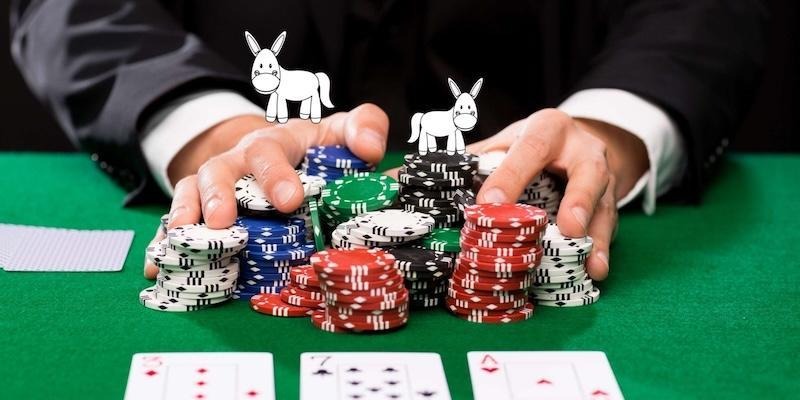
The Impact of Variance on Poker Playing
A downswing is a prolonged period of losses in poker that can cause significant negative impacts on a player’s psychology, emotions, and finances. When experiencing a downswing, constantly witnessing strong hands being beaten or seeing opponents win repeatedly can lead players into a state of depression, self-doubt, and loss of confidence.
Regarding psychology and emotions, a downswing often leads to the following phenomena:
Regarding financial risks, a downswing also poses major threats if not managed properly:
Clearly understanding the impact of a downswing helps players stay calm, manage their capital effectively, and maintain a rational strategy. This allows them to overcome losing streaks while continuing to develop their long-term poker skills.
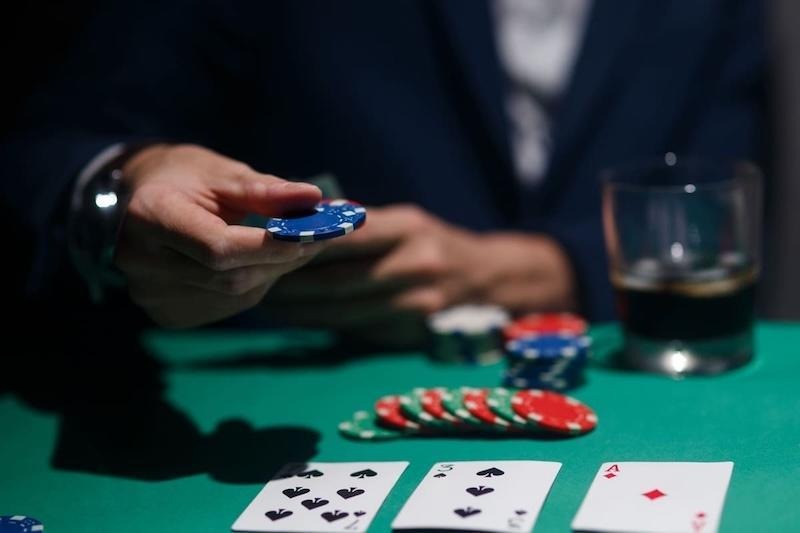
The Impact of the Downswing in Poker
Variance and downswing are unavoidable factors in poker, affecting both a player’s financial results and their psychological state. Clearly understanding the difference and the impact of these factors helps you maintain discipline, make logical decisions, and control your emotions during a losing streak. Sunwin often emphasizes that a correct awareness of fluctuations and downswings will help players build a long-term strategy, manage their bankroll effectively, and develop their skills in a sustainable manner.

Bluffing is one of the factors that creates tactical depth in poker, but it is also a double-edged sword if used without control. Clearly understanding the nature of bluffing, the appropriate timing, limits, and potential risks will help players make more sober decisions. In this article, Sunwin provides insightful knowledge to help readers build a well-founded and disciplined bluffing mindset during their poker sessions. The Concept of Bluffing in Poker...
In poker, making the right decision does not depend on luck but on how players understand and apply core mathematical concepts. Outs, odds, and pot odds are the foundation for evaluating the possibility of improving a hand and the value of each call. Through clear analysis and practical examples, Sunwin provides useful poker knowledge, helping readers form a logical, disciplined, and more effective mindset in every hand. Understanding the Concept...

In Poker Tournaments, winning does not just come from card-playing skills; it depends heavily on how you make decisions through each stage of the event. ICM (Independent Chip Model) is the tool that helps players understand the real-world cash value of their chips and the impact of every decision on the final standings. By mastering ICM, you will know exactly when to take risks to break through and when to...